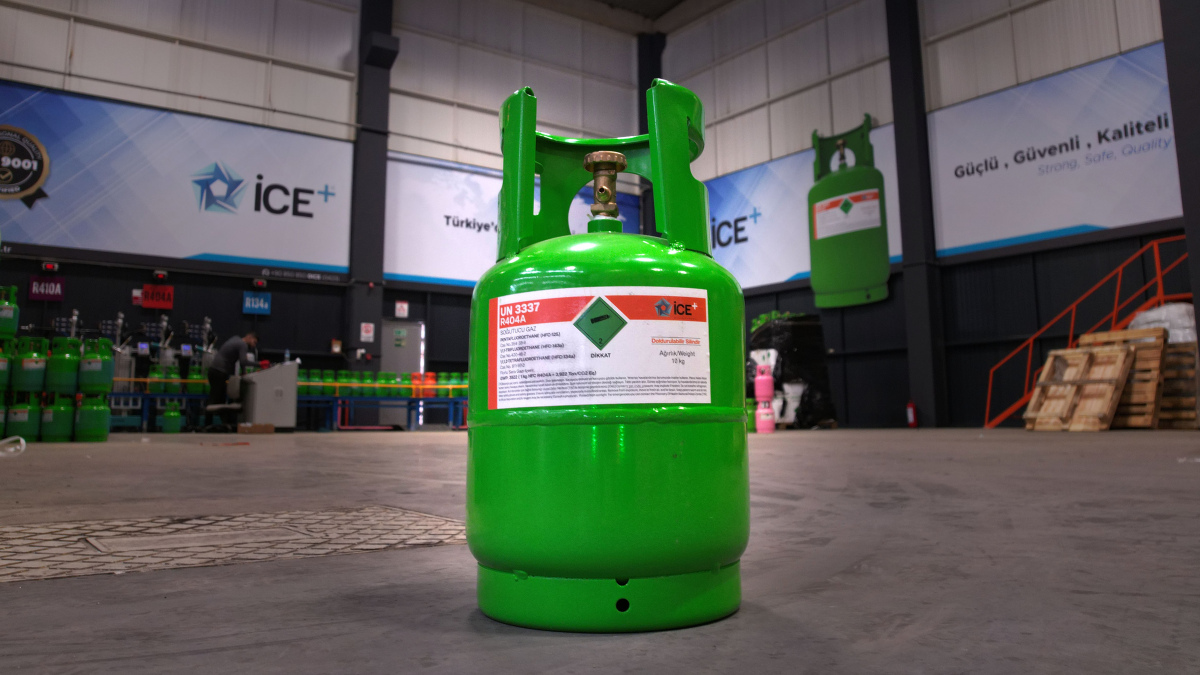
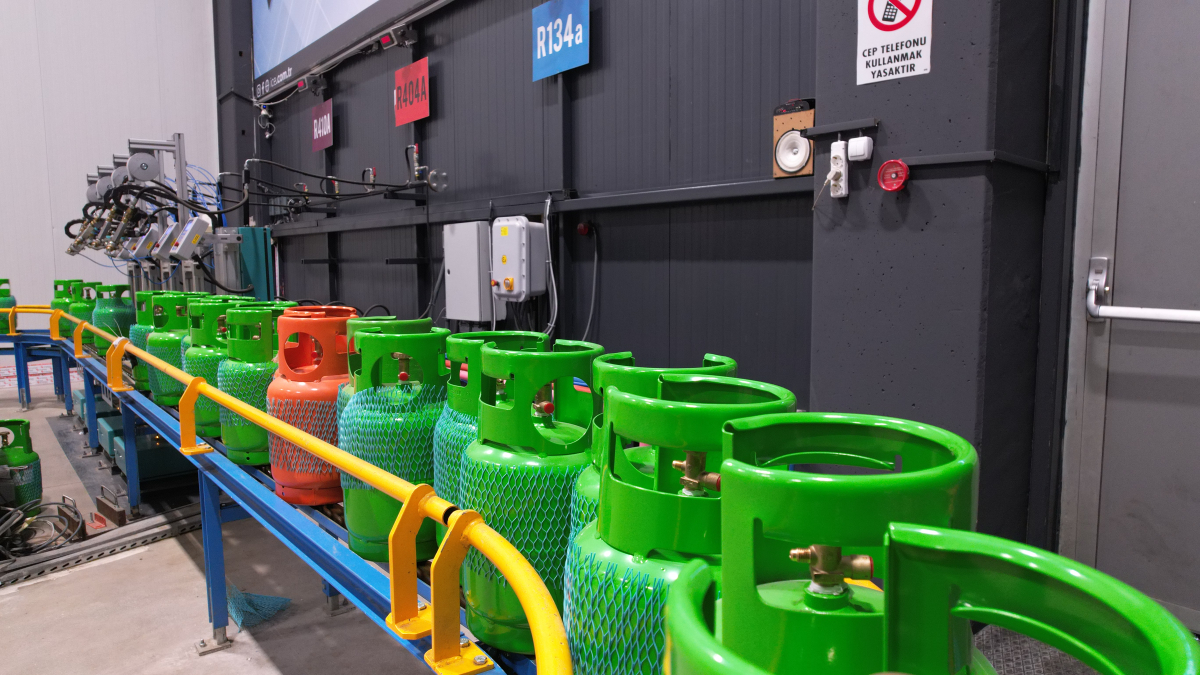
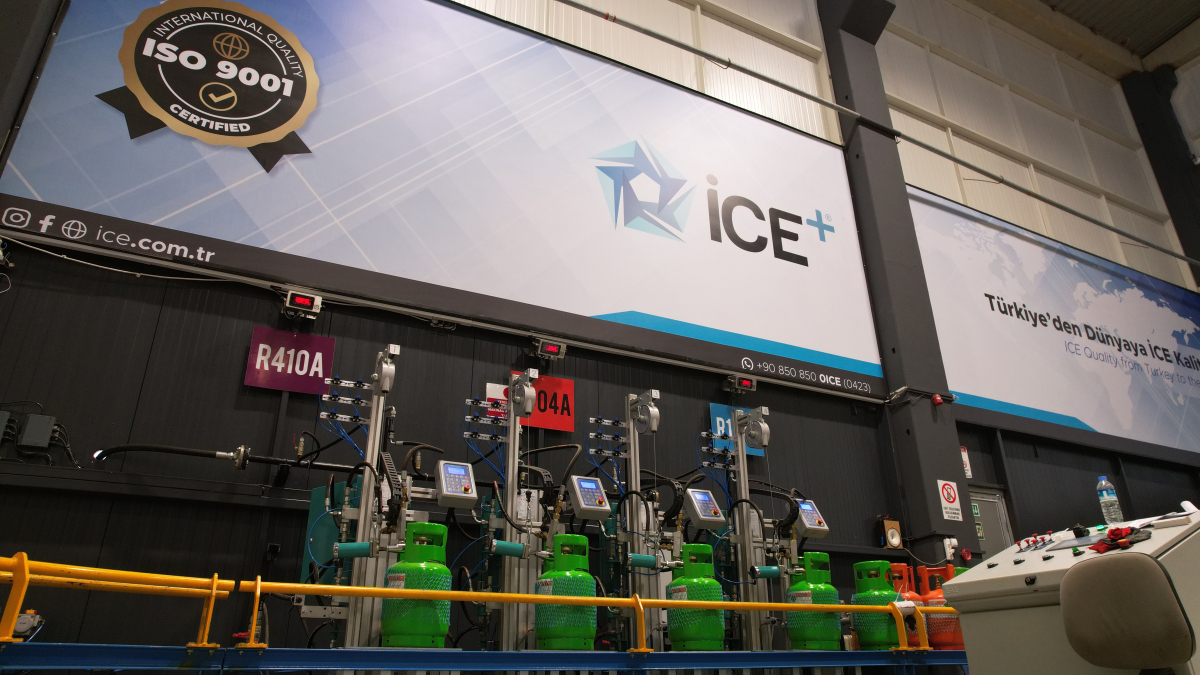
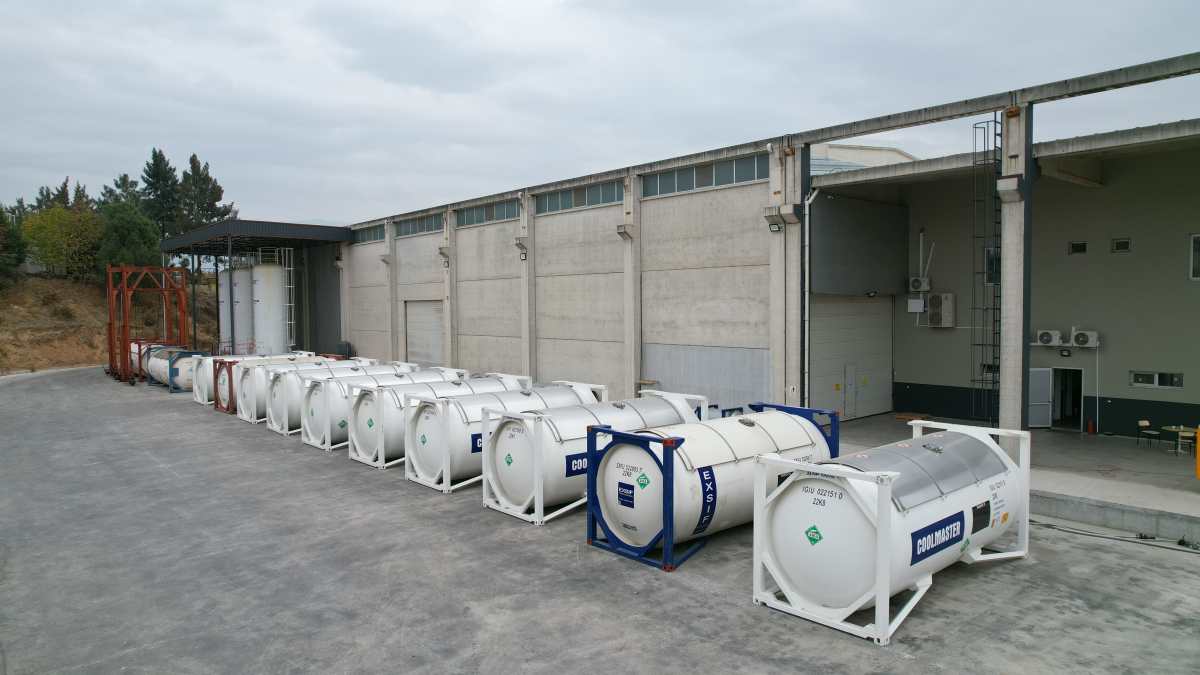
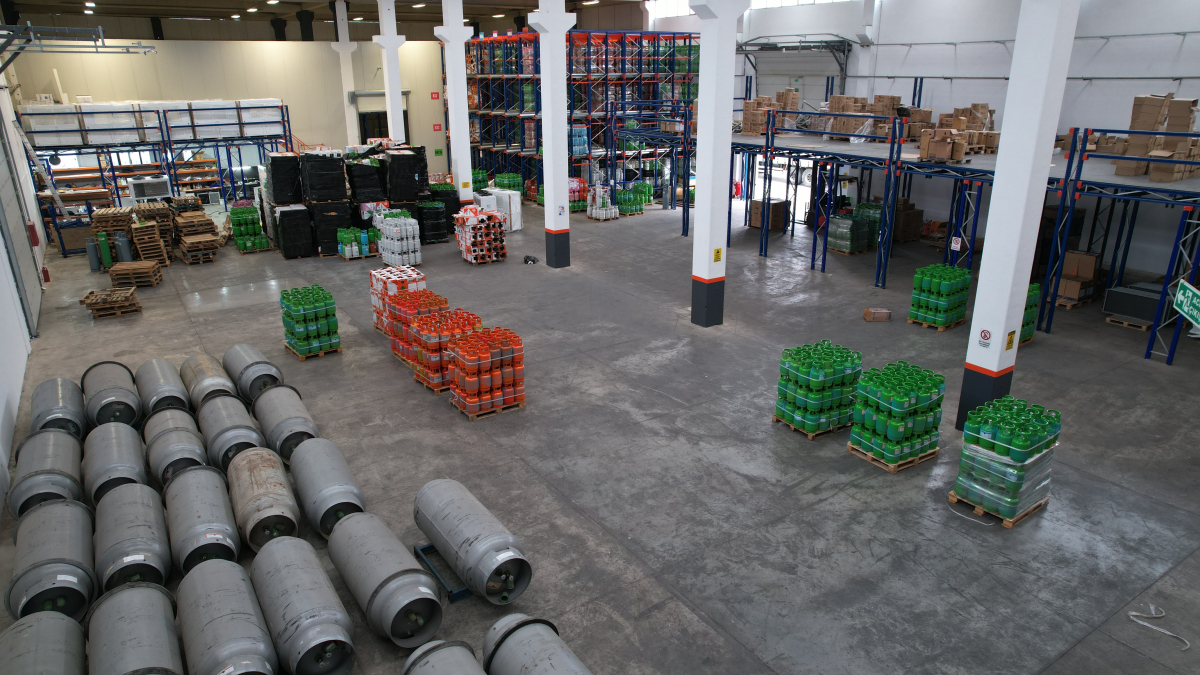
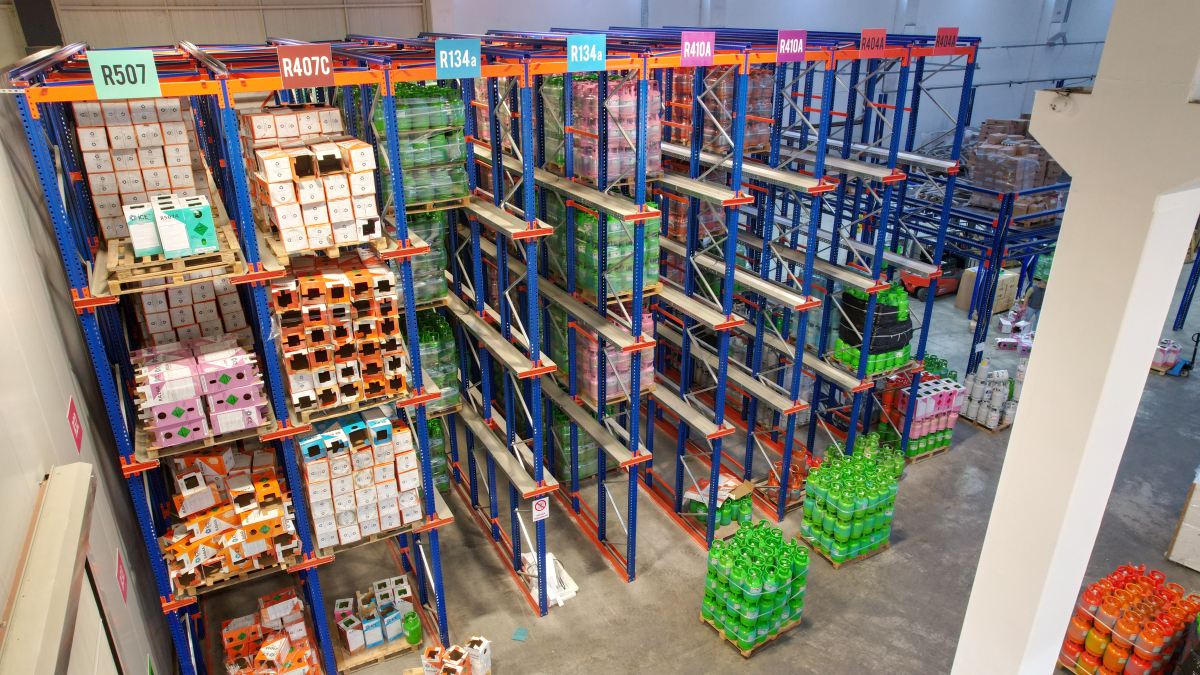
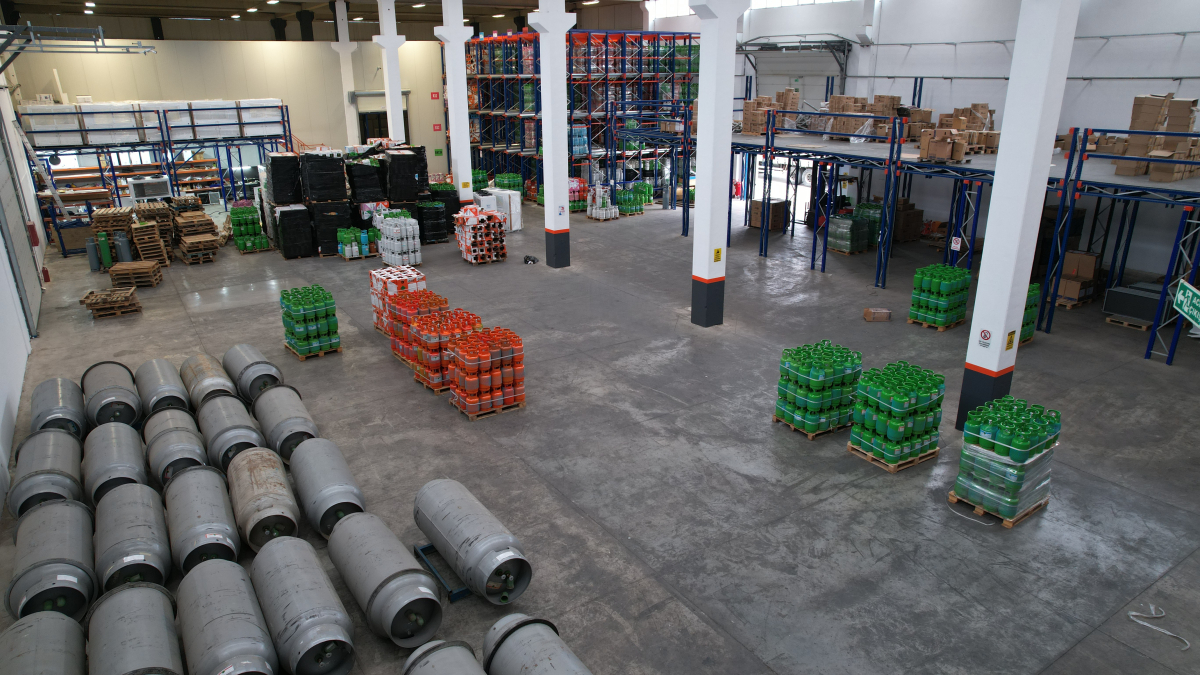
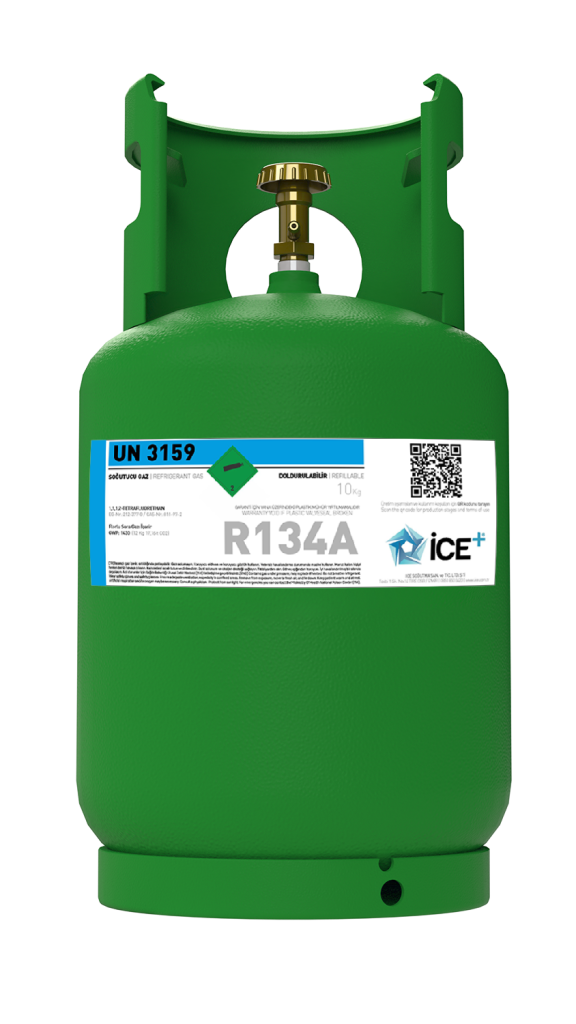
R134a is the name given to a colorless inert gas used in refrigerants. The gas, whose full name is 1,1,1,2-Tetrafluorethane, was produced to replace R12 (dichlordifluoromethane) gas, the use of which was banned in many countries in the 90s because it is harmful to the ozone layer.

The refrigerant R134a, which is mainly used as a substitute for R12, is widely used in refrigeration and air conditioning systems such as automotive air conditioners, refrigerators, central air conditioners and commercial refrigeration. R134a has a normal boiling point of -26.5 °C. FREON R134a has a large latent evaporation temperature, a greater heat capacity than constant pressure, and a better cooling capacity. The volume of saturated gas is large, the mass flow rate of the refrigerant of the same displacement compressor is small, and the ODP ozone layer has no destructive effect, but the change of GWP in global R134a Hot potential is 1600.

HFC GASR134A has a smaller capacity and a lower pressure than R22. R134a has a very high water absorption, it is 20 times more than R22, so the dryer in the unit system needs to be more demanding to avoid ice clogging.

R134a, system requires a special compressor and a special oil. Due to its high water absorption, high foaming and high spreading ability, the oil is inferior to the mineral oil used in the R22 system due to the stability of the system performance.

R134A gas is used for cooling and air conditioning of vehicles, medium-sized enterprises in water cooling devices and residential coolers. At medium and high evaporation temperatures, low pressure differences, compressor efficiency and Efficiency Of Performance values are almost the same as R12 gas.

As a result of the increasing global warming values of the European Union countries, the widely used R134A Air Conditioning Gas has a high GWD value and has started to be used in all areas of its gas by going to a legal regulation.

The product is not flammable. It can be intervened with the appropriate extinguishing device.

  • Only experienced and trained persons should handle gases under pressure.
  • Equipment with appropriate specifications specified for the product should be used.
  • The product must be handled in accordance with industrial hygiene and safety procedures.
  • Protect the tubes from physical damage and avoid rolling and dragging the tubes.
  • Do not remove the label indicating the contents of the tube by the supplier company or change its location.
  • When it is necessary to move the tubes even for a short distance, use appropriate equipment ( Forklift, transport trolley, pallet truck, etc.)
  • Always keep the tubes in an upright position.
  • Keep all valves closed when not in use.
  • Provide the necessary ventilation.
  • The entrance of water into the tube must be prevented.
  • Make sure that there is no feedback into the tube, especially there should be no ingress of water, acids and alkalis.
  • The tubes should be stored under 50 °C and in well-ventilated areas.
  • All regulations and local requirements related to the storage of tubes must be taken into account.
  • It is inconvenient to consume food and drinks and smoke during working with the tube.
  • Never use devices such as direct flame or electric heater to increase the pressure of the container.
  • Damaged valves should be reported to the supplier immediately.
  • Do not do repairs on the tube valve yourself.
  • Ensure the replacement of these equipment as soon as possible when the tube and valve outlet valves are disconnected.
  • Keep the valve outlets of the cylinder clean against oil and water.
  • If you experience any difficulties during the application, stop using the tube valve and contact the supplier.
  • Never transfer gas from one cylinder to another.
  • Tube valve housings or caps must be in place.

0/5 (0 Reviews)
Start Chat
1
Hello. We Speak English
Do You Want Us To Help?