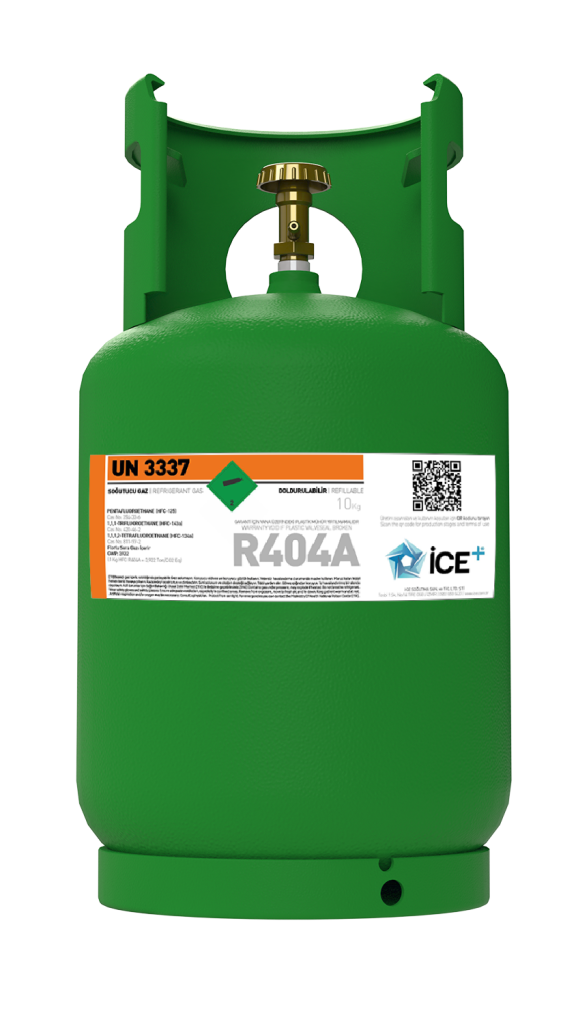
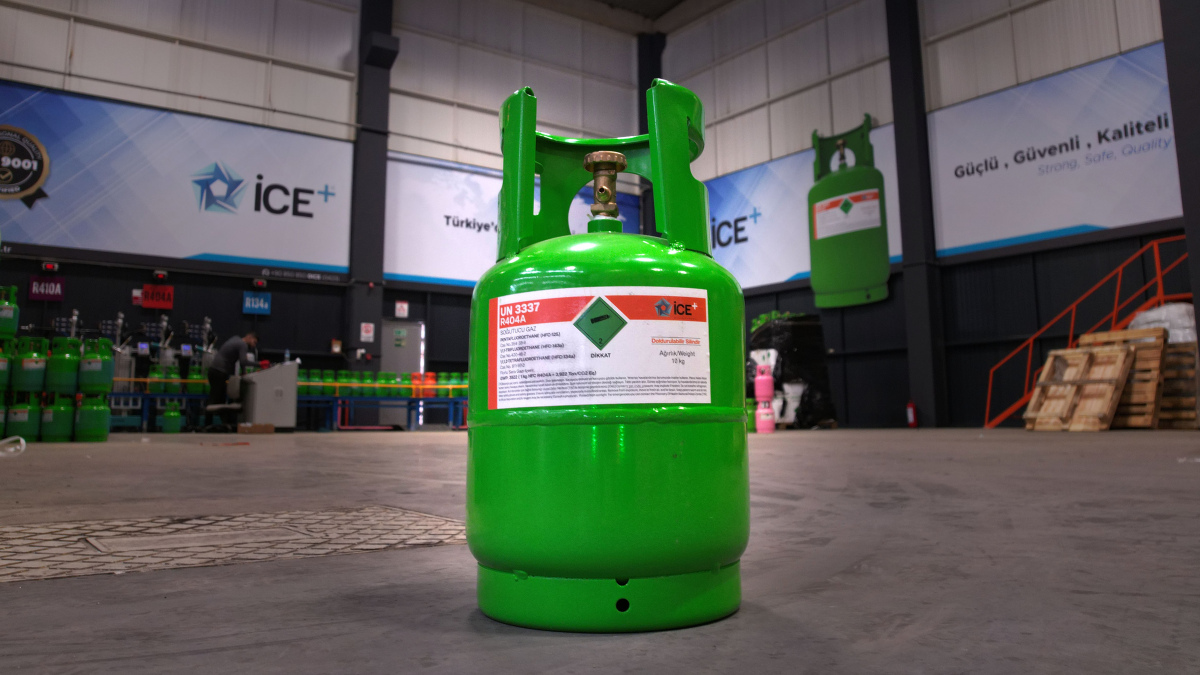
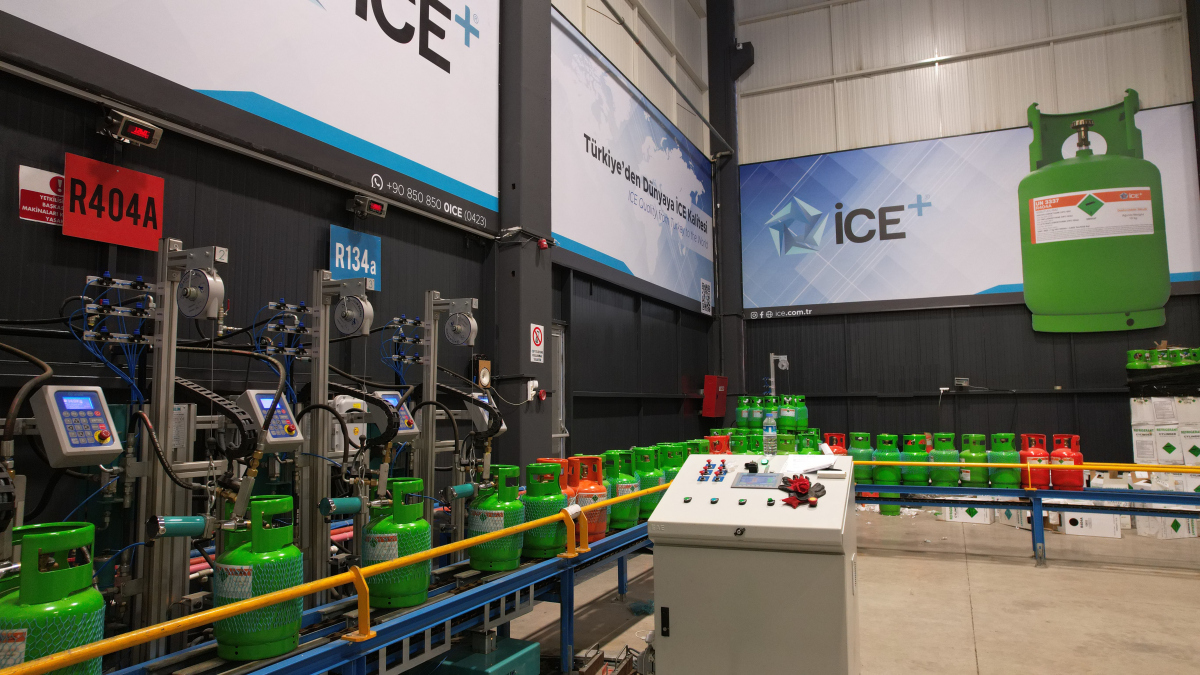
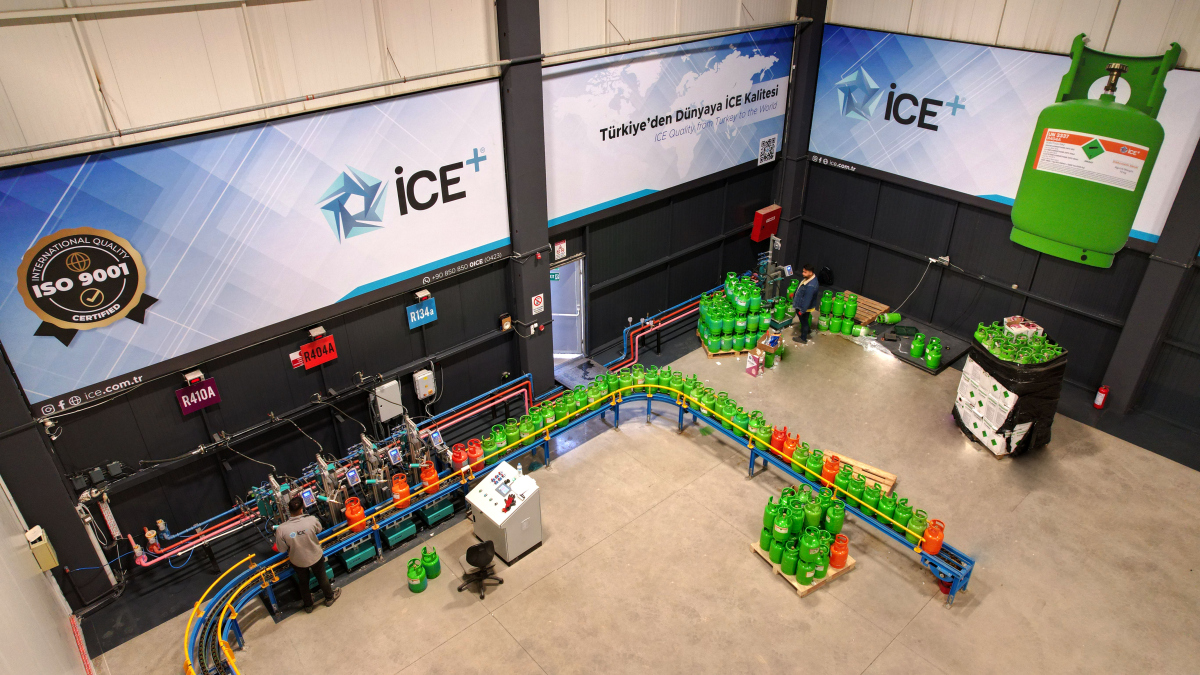
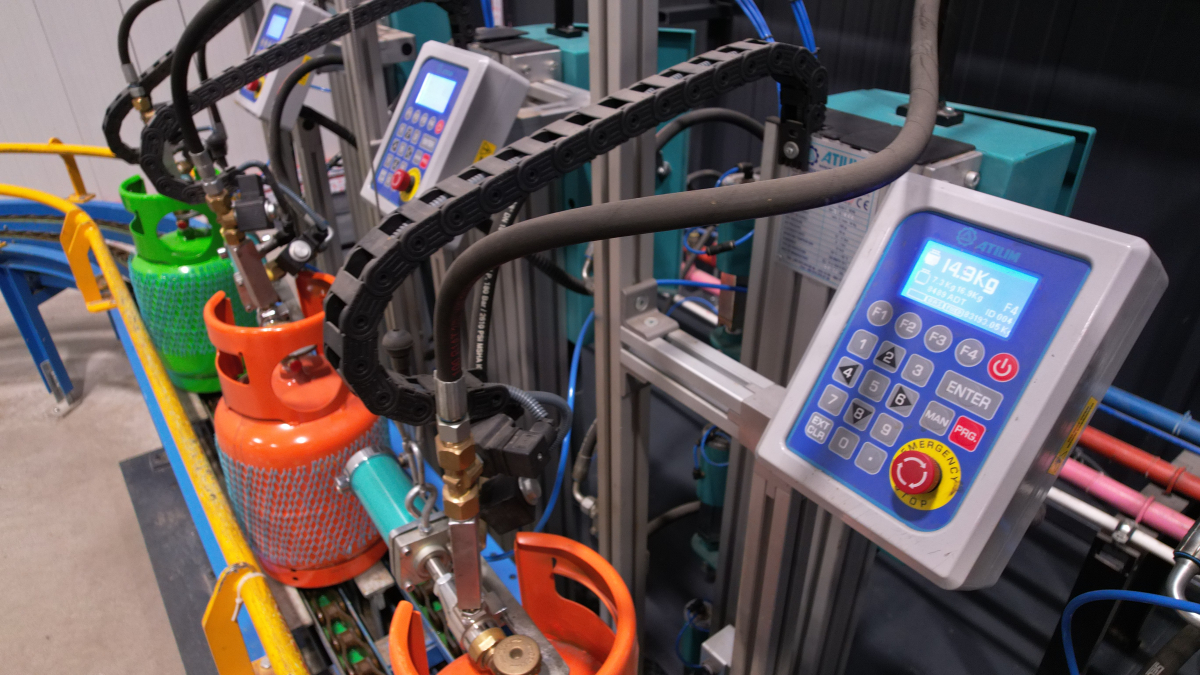
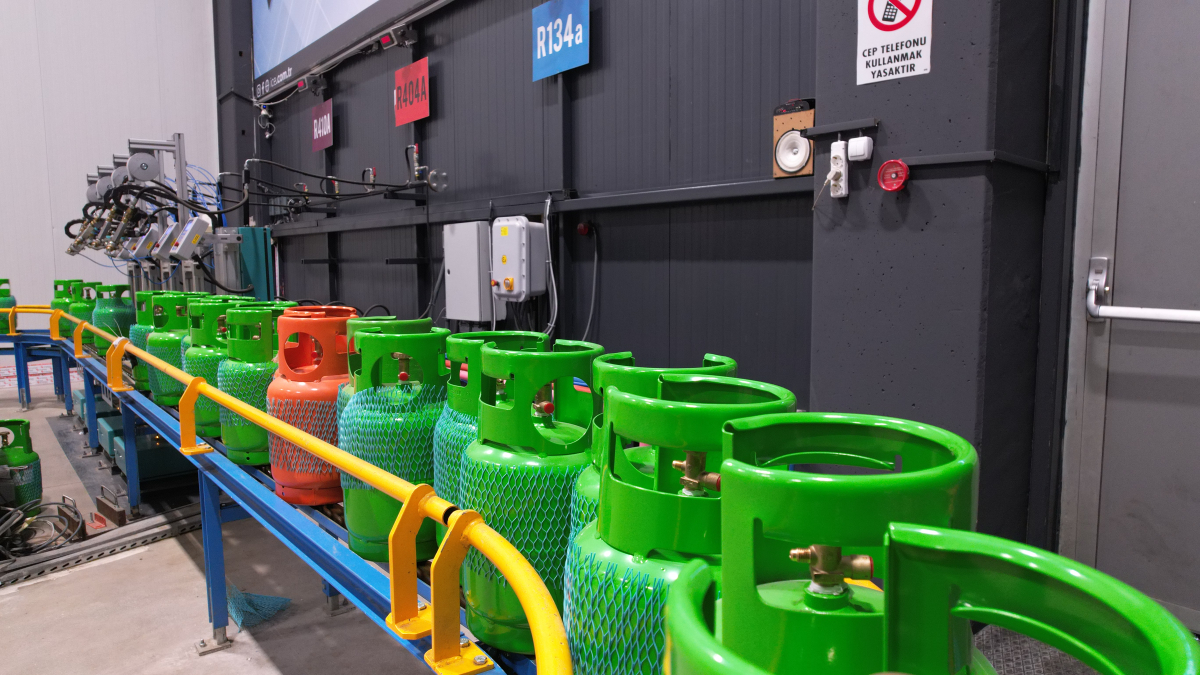
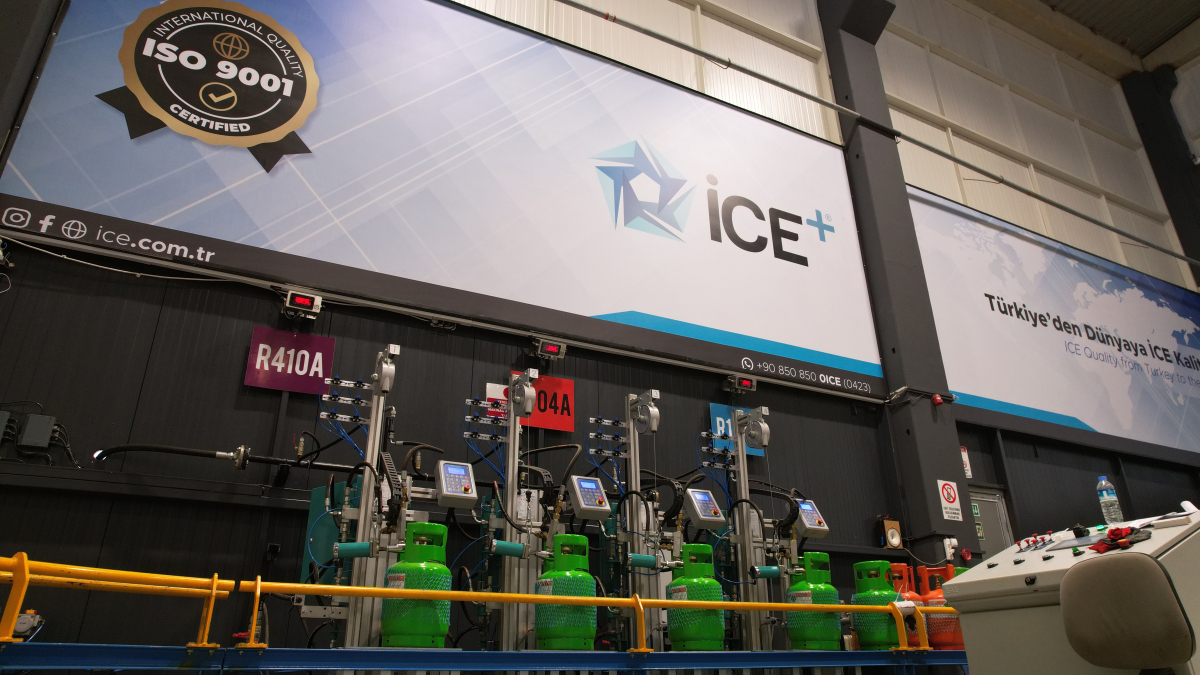
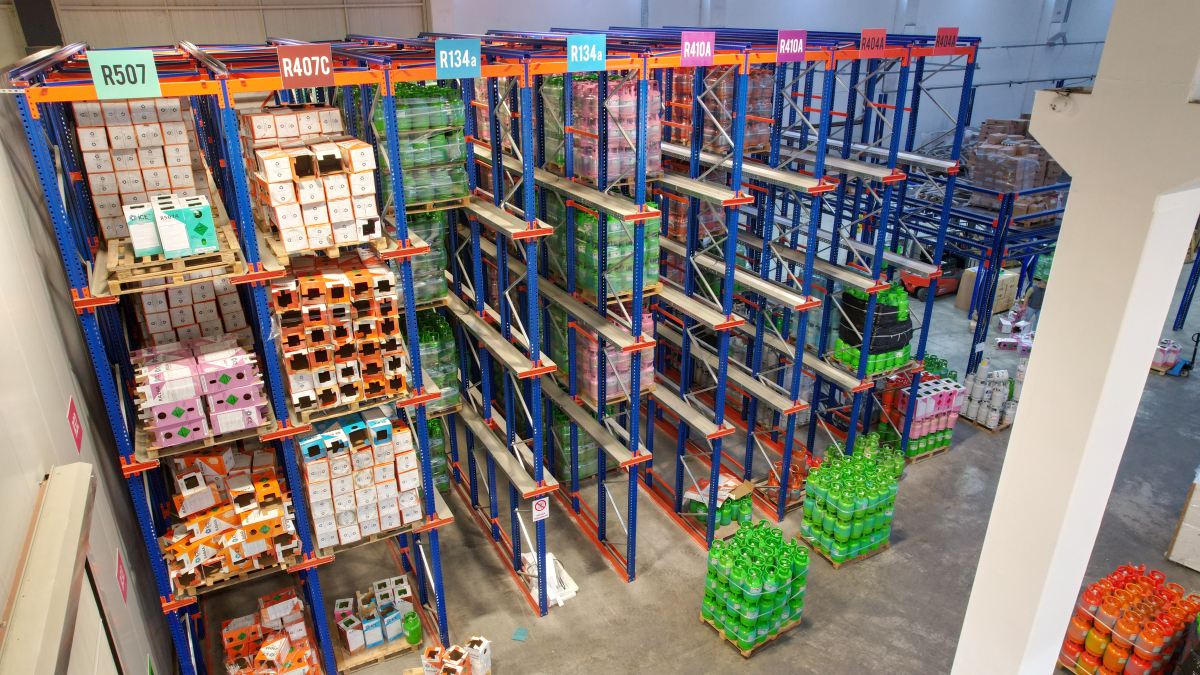
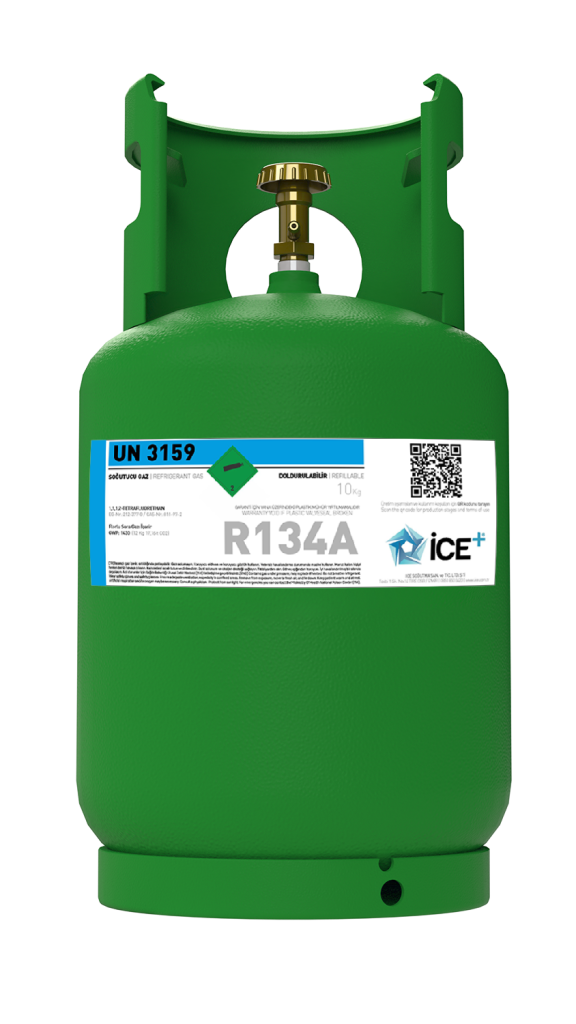
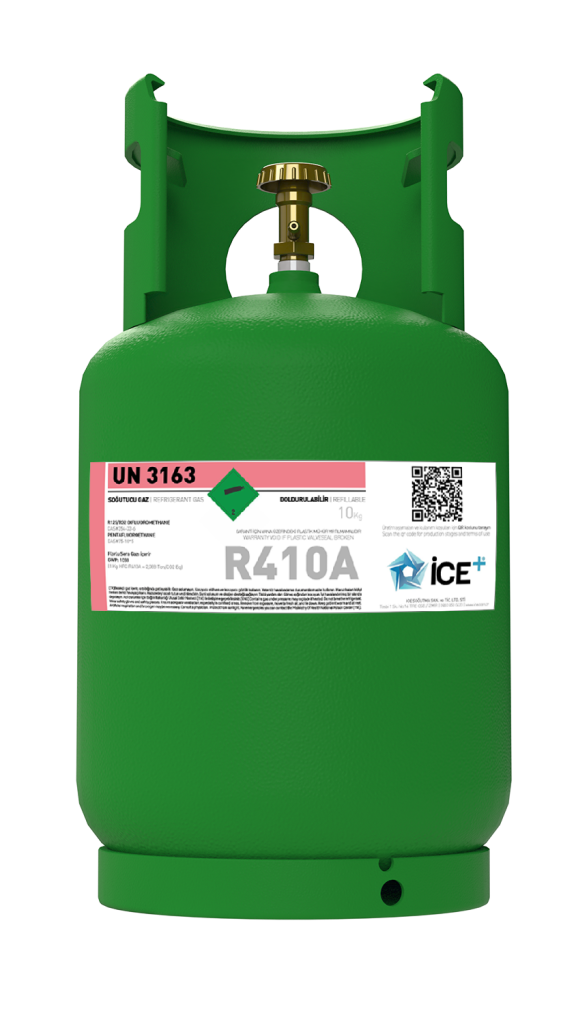
R404agas is more commonly used in industrial type refrigerators or industrial type coolers. It is a wide-functional refrigerant gas in terms of usage. The GWP value is 3922.
R404a gas is used for industrial refrigerators in terms of usage and is an indispensable product for the food sector.
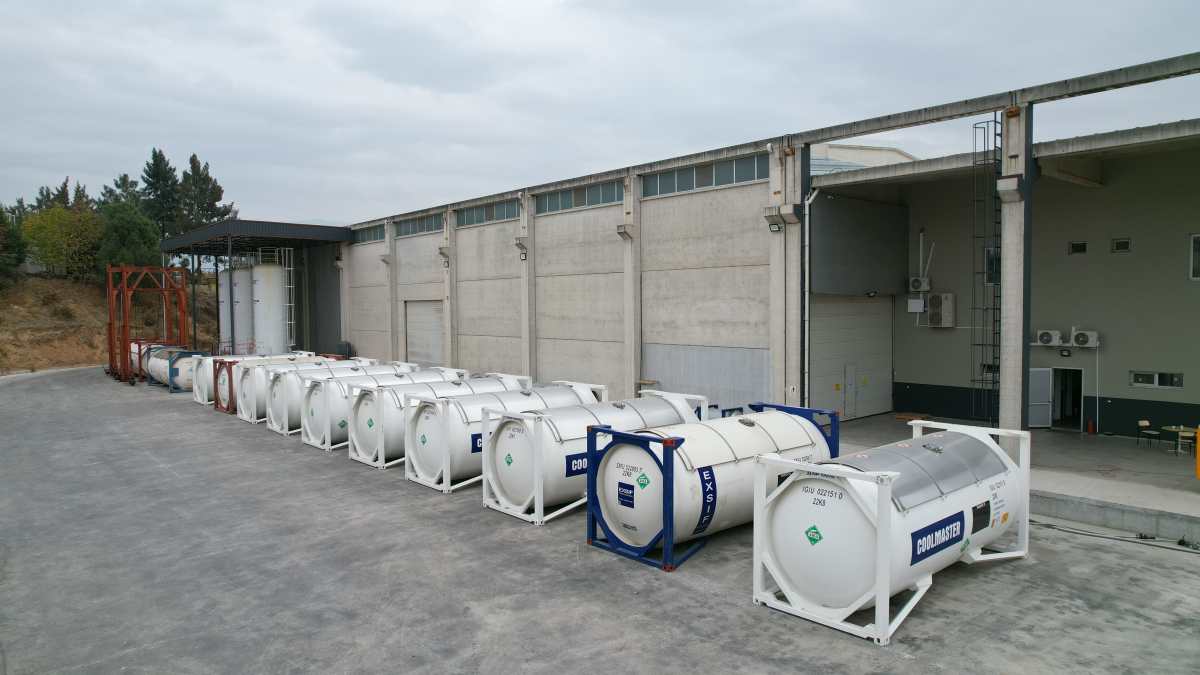
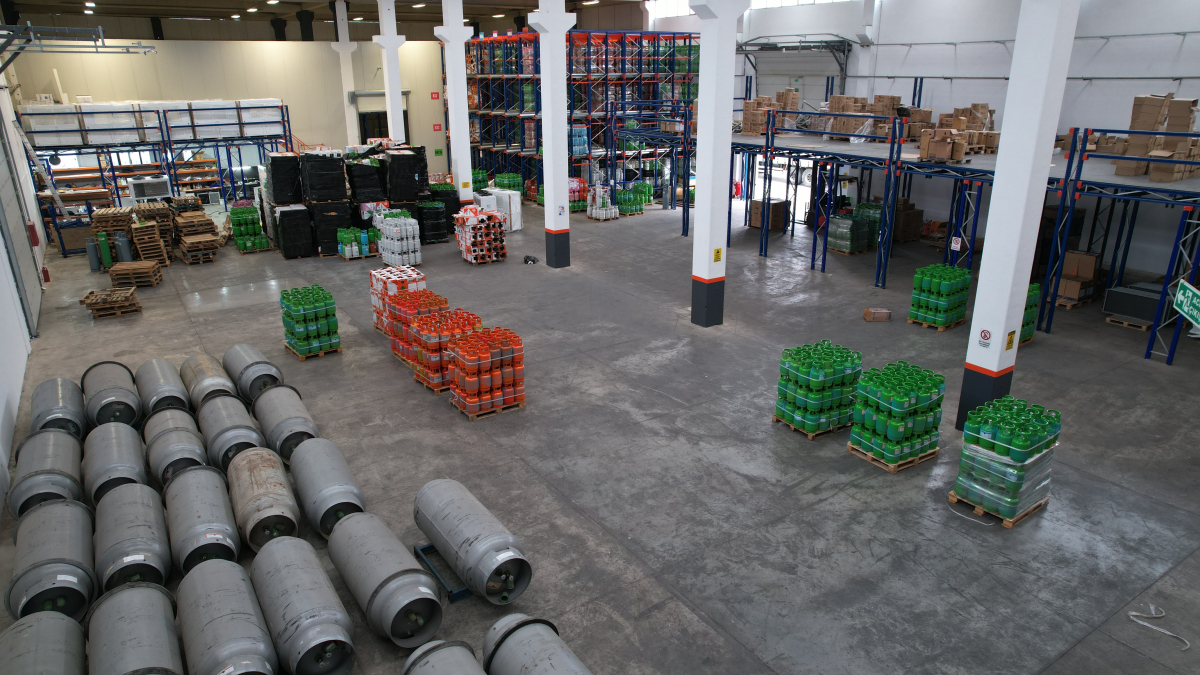
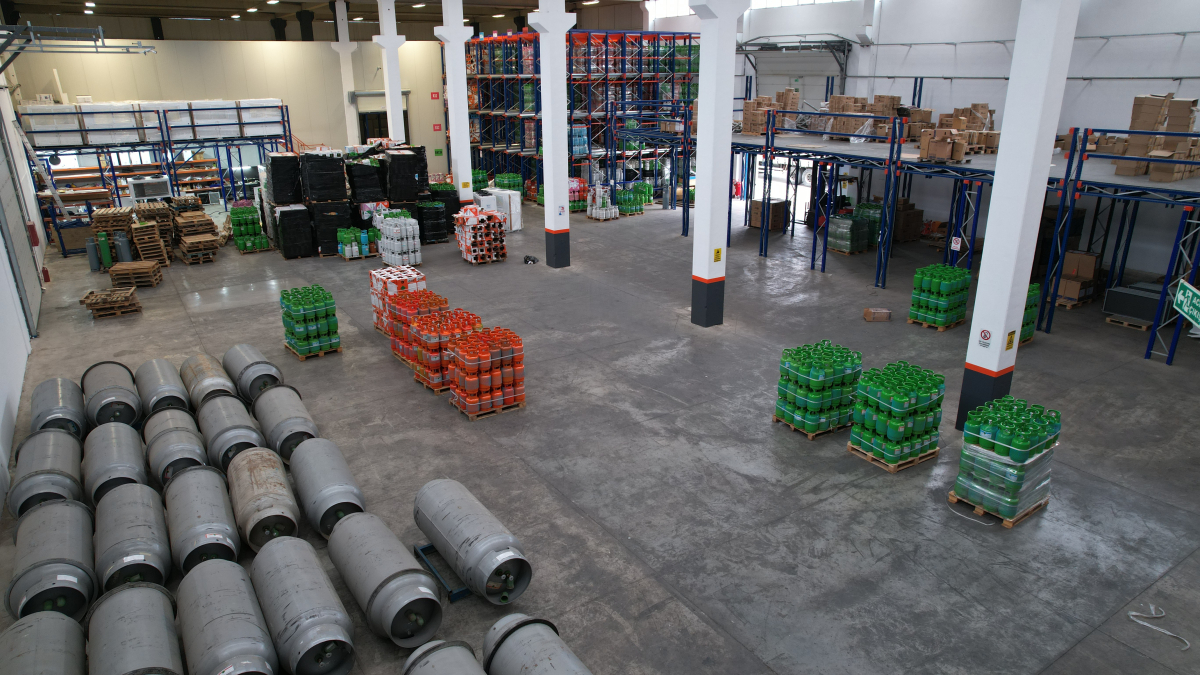
R404a R404A Gas consists of a mixture of pure gases R125, R143a and R134a. It is not a flammable and explosive gas. It is a pressurized gas and the gas is stored in pressure vessels.
Medium and low temperature refrigeration or commercial cooling applications in various useful as well as ice machines, supermarket freezers/fridge, Bakery Cabinets, refrigerated trucks, food display cases, cold storage rooms and storage in the enclosure are used.
The European Union F-Gas Regulation has entered into force since January 1, 2015. The regulation aims to Decimate the use of HFC by reducing it between 2015 and 2030 by imposing quota application and sectoral restrictions on refrigerants with high GWP (Global Warming Potential) values. The R404A/R507, which is particularly under pressure, is expected to be removed from all commercial systems. Due to the fact that the regulation is new, uncertainty about what will happen in the future remains. Following the situation closely, Danfoss, like other experts, expects that the use of other refrigerants with natural and low GWP Deciency will become widespread as an intermediate solution.
Intermediate solutions, such as using 407A/F instead of R404A, are likely to be used for several years, although Decisively. We also expect new mixtures to play a role in the future.
- Only experienced and trained persons should handle gases under pressure.
- Equipment with appropriate specifications specified for the product should be used.
- The product must be handled in accordance with industrial hygiene and safety procedures.
- Protect the tubes from physical damage and avoid rolling and dragging the tubes.
- Do not remove the label indicating the contents of the tube by the supplier company or change its location.
- When it is necessary to move the tubes even for a short distance, use appropriate equipment ( Forklift, transport trolley, pallet truck, etc.)
- Always keep the tubes in an upright position.
- Keep all valves closed when not in use.
- Provide the necessary ventilation.
- The entrance of water into the tube must be prevented.
- Make sure that there is no feedback into the tube, especially there should be no ingress of water, acids and alkalis.
- The tubes should be stored under 50 °C and in well-ventilated areas.
- All regulations and local requirements related to the storage of tubes must be taken into account.
- It is inconvenient to consume food and drinks and smoke during working with the tube.
- Never use devices such as direct flame or electric heater to increase the pressure of the container.
- Damaged valves should be reported to the supplier immediately.
- Do not do repairs on the tube valve yourself.
- Ensure the replacement of these equipment as soon as possible when the tube and valve outlet valves are disconnected.
- Keep the valve outlets of the cylinder clean against oil and water.
- If you experience any difficulties during the application, stop using the tube valve and contact the supplier.
- Never transfer gas from one cylinder to another.
- Tube valve housings or caps must be in place.